Cruise to Japan: Everything You Need to Know
Published January 14, 2026
Updated January 26, 2026
Travel Experts
at The Cruise Web
Japan is becoming one of the world’s premier cruise destinations, offering a unique way to see multiple islands and historic cities without the hassle of the "shinkansen" (bullet train) luggage shuffle.
Here is a comprehensive guide to help you plan your upcoming voyage.
Popular Japanese Ports of Call
Japan's cruise ports offer access to an incredible range of experiences, from ancient temples and cutting-edge cities to natural hot springs and war memorials. Here's what awaits at the country's most popular ports of call.
Major Hubs & City Access
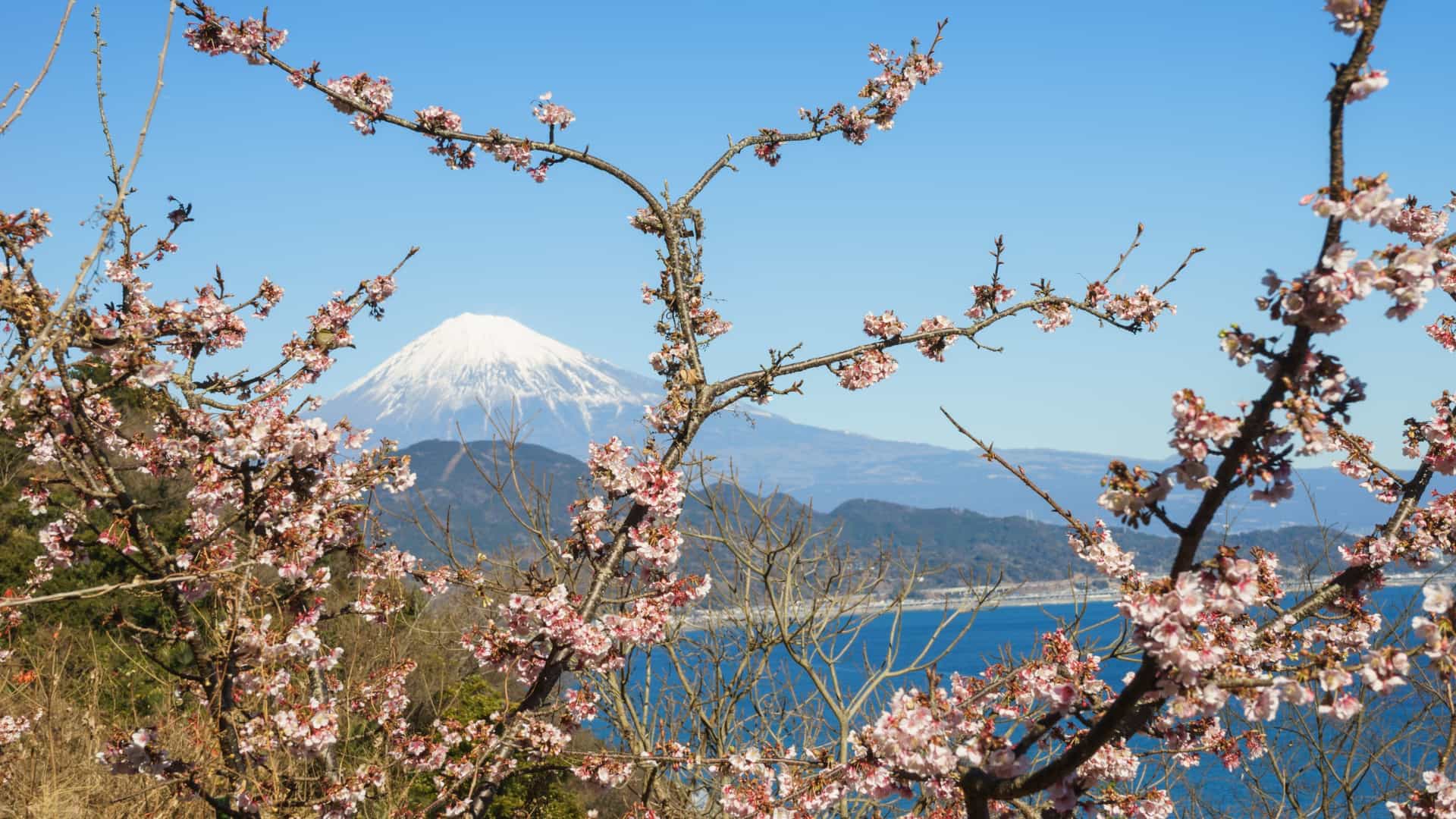
Yokohama & Tokyo: Gateway to Mt. Fuji
Most "Tokyo" cruise itineraries actually dock at Yokohama, Japan's second-largest city, located 30-45 minutes south of the capital by train. Beyond serving as a gateway to Tokyo and Mt. Fuji, Yokohama offers its own attractions, including Japan's largest Chinatown, a historic waterfront, and fascinating museums.
One of the most popular shore excursions is a day trip to Mt. Fuji, Japan's iconic peak. Visit the Fifth Station for breathtaking views, explore the Fuji Five Lakes region, or photograph the mountain reflected in Lake Kawaguchi. Please note that Mt. Fuji is often shrouded in clouds, and these excursions require an early start and significant travel time.
If you're heading to Tokyo, top options include the historic Senso-ji Temple in Asakusa, the famous Shibuya Crossing, the trendy Harajuku shopping district, or the peaceful Meiji Shrine. Efficient train connections make Tokyo easily accessible on a port day.
Staying in Yokohama? Visit the quirky Cup Noodles Museum to design your own ramen cup, stroll through Sankeien Garden's historic buildings and seasonal landscapes, or relax at Yamashita Park with views of the Bay Bridge. This port offers something for every traveler at the heart of Japan's most dynamic region.
View Cruises to Yokohama & Tokyo.
Kobe & Osaka: Gateway to Kyoto
Osaka and Kobe serve as gateways to Japan's cultural heartland. From either port, you can easily reach Kyoto's ancient temples and traditional geisha districts, or visit Nara's free-roaming deer that bow for treats near the massive Todai-ji Temple.
Osaka is known as the "Nation's Kitchen," or Japan's culinary capital, and third-largest city, famous for its exuberant food culture and the local philosophy of "kuidaore" — eating yourself into bankruptcy. The neon-lit Dotonbori district epitomizes this spirit, with massive illuminated signs (including the iconic Glico running man) towering over canal-side restaurants serving takoyaki (octopus balls), okonomiyaki (savory pancakes), and kushikatsu (deep-fried skewers). Don't miss historic Osaka Castle rising above the modern skyline.
Kobe offers a different flavor with its melting-pot cultural heritage from its 19th-century port origins. Stroll historic streets lined with mansions once owned by foreign merchants, enjoy mountain views, and sample the city's world-famous beef at everything from street vendors to Michelin-starred restaurants. The efficient train connection between Kobe and Osaka makes it easy to experience both cities in one port day.
Whether exploring Kyoto's zen gardens, feeding Nara's deer, or indulging in Osaka and Kobe's legendary food scenes, these ports offer Japan's most memorable cultural experiences.
Key Cultural & Historical Ports
Nagasaki: Crossroads of East and West
This atmospheric port city on Kyushu island boasts a unique multicultural heritage shaped by centuries as Japan's only window to the Western world during its period of isolation. The hillside Glover Garden showcases beautifully preserved colonial-era mansions with panoramic harbor views, while the striking Oura Church stands as Japan's oldest Gothic-style cathedral.
Nagasaki's tragic history as the second atomic bomb site is powerfully commemorated at the Peace Park and Atomic Bomb Museum—sobering but essential visits. The city's Chinese influence shines in its temples, lantern-lit festivals, and signature dish champon (hearty noodle soup). Take the ropeway up Mt. Inasa for spectacular nighttime views ranked among Japan's top three. The compact city center makes it easy to experience Nagasaki's layered history in a single port day.
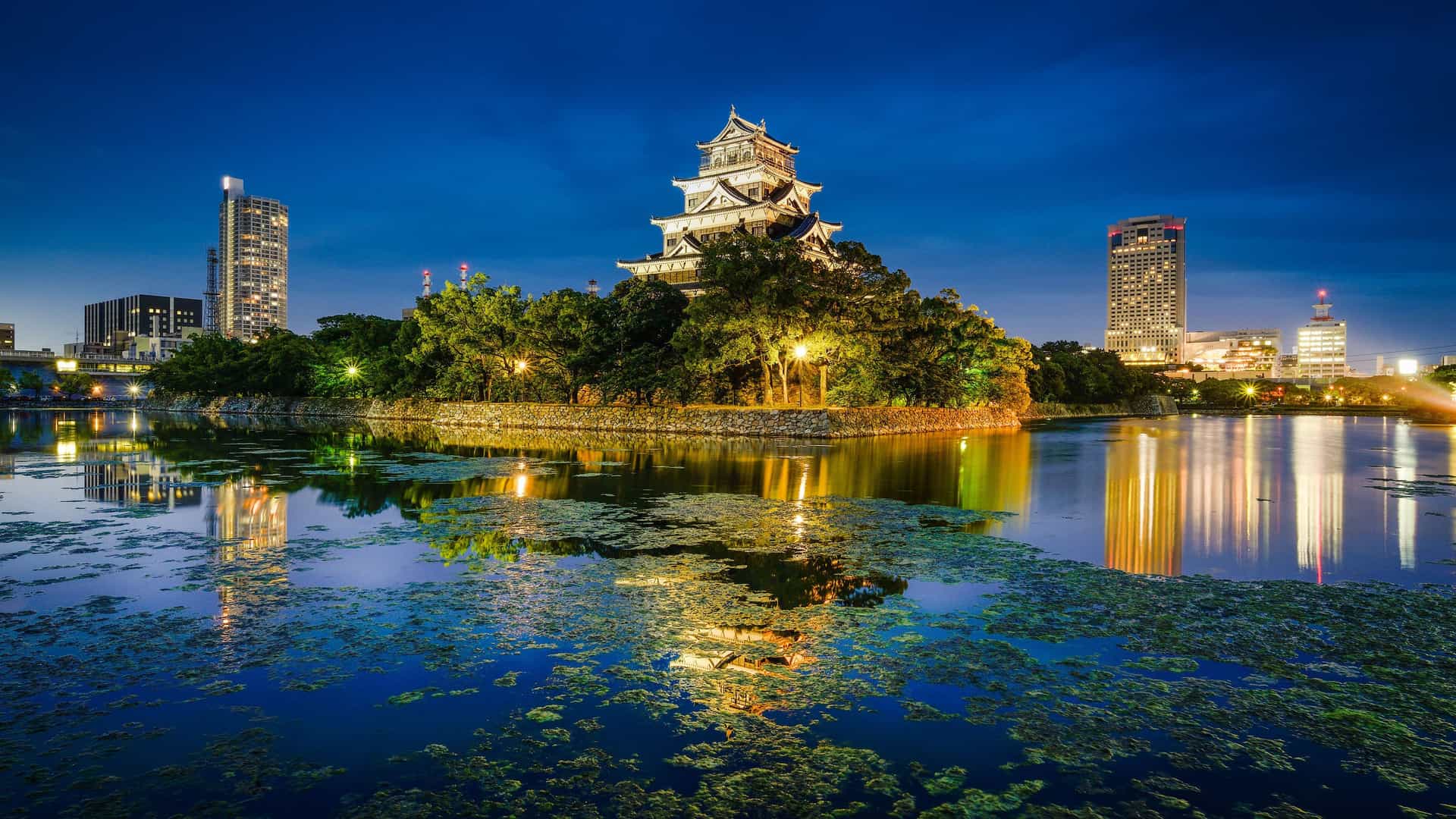
Hiroshima: Resilience and Natural Beauty
While forever marked by its World War II history, Hiroshima has transformed into a vibrant, forward-looking city that balances remembrance with optimism. The Peace Memorial Park and Museum offer profound insights into the atomic bombing and the city's remarkable recovery, which are deeply moving experiences that shouldn't be missed.
Beyond its historical significance, Hiroshima serves as the gateway to Miyajima Island, home to the iconic "floating" torii gate of Itsukushima Shrine (one of Japan's most photographed sites). The island is accessible by a short ferry ride and offers hiking trails up Mt. Misen, friendly deer wandering the streets, and fresh oysters at waterfront restaurants. Back in Hiroshima, don't leave without trying the local specialty, okonomiyaki, a layered savory pancake that differs from Osaka's version. The city's efficient tram system makes it easy to navigate between the Peace Park and the ferry terminal in a single port day.
Northern Japan
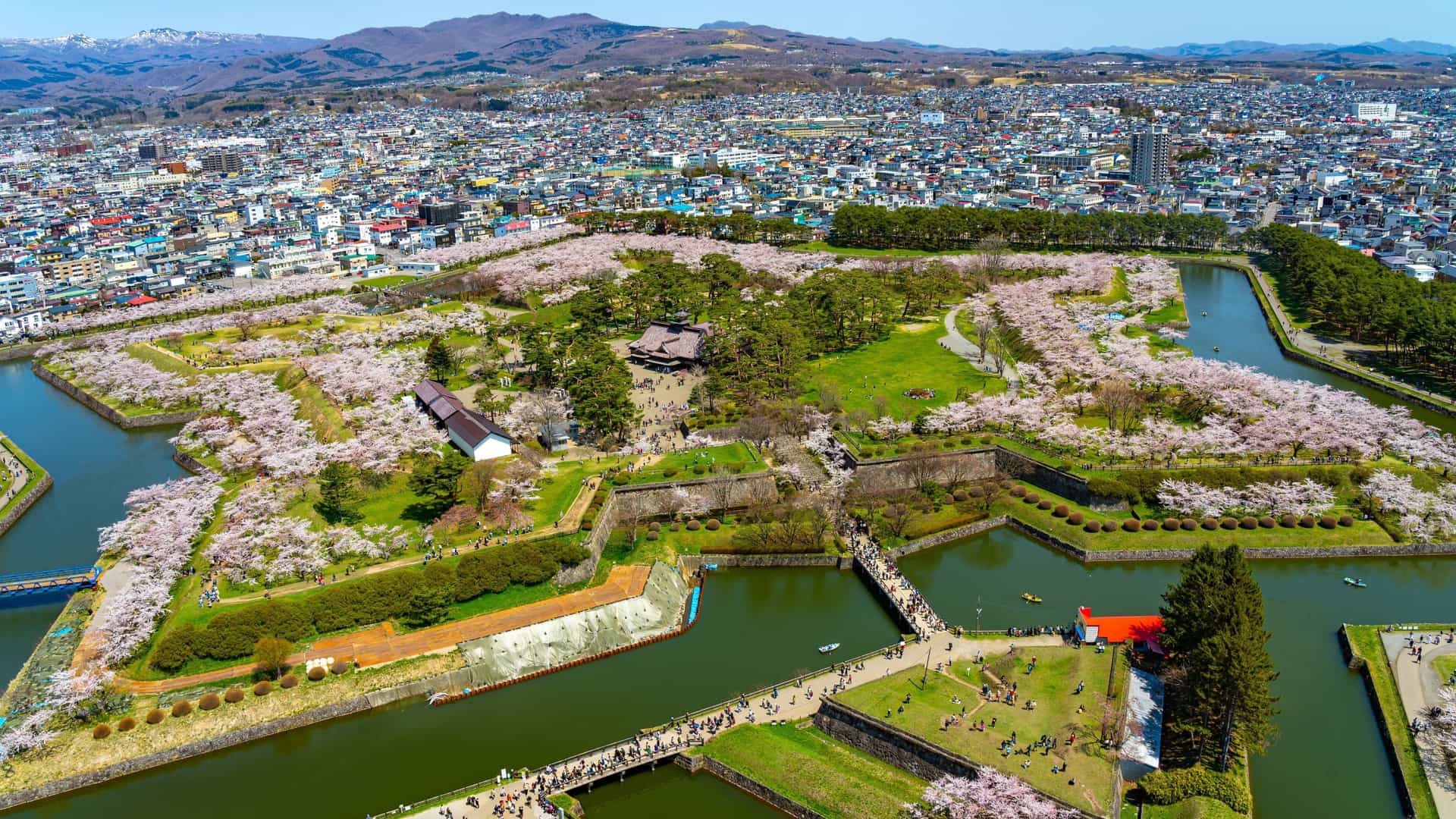
Hakodate & Aomori
Hakodate is often called the "Gateway to Hokkaido" and is celebrated for its stunning geography. Visitors can take a ropeway to the summit of Mount Hakodate for one of Japan’s most famous panoramic views or explore the Goryokaku Star Fort, a massive Western-style citadel that is especially beautiful during cherry blossom season. For a taste of local life, the Hakodate Morning Market is just steps from the port, offering fresh squid sashimi and legendary Hokkaido dairy.
Aomori serves as a vibrant cultural hub on the northern tip of Honshu. It is most famous for the Nebuta Warasse Museum, where you can see the colossal, hand-painted lantern floats used in the city’s world-renowned summer festival. Nature lovers often use this port as a base to visit the scenic Oirase Mountain Stream or Hirosaki Castle, which boasts thousands of cherry trees and a historic three-story keep.
View Cruises to Hakodate & Aomori.
Southern Japan
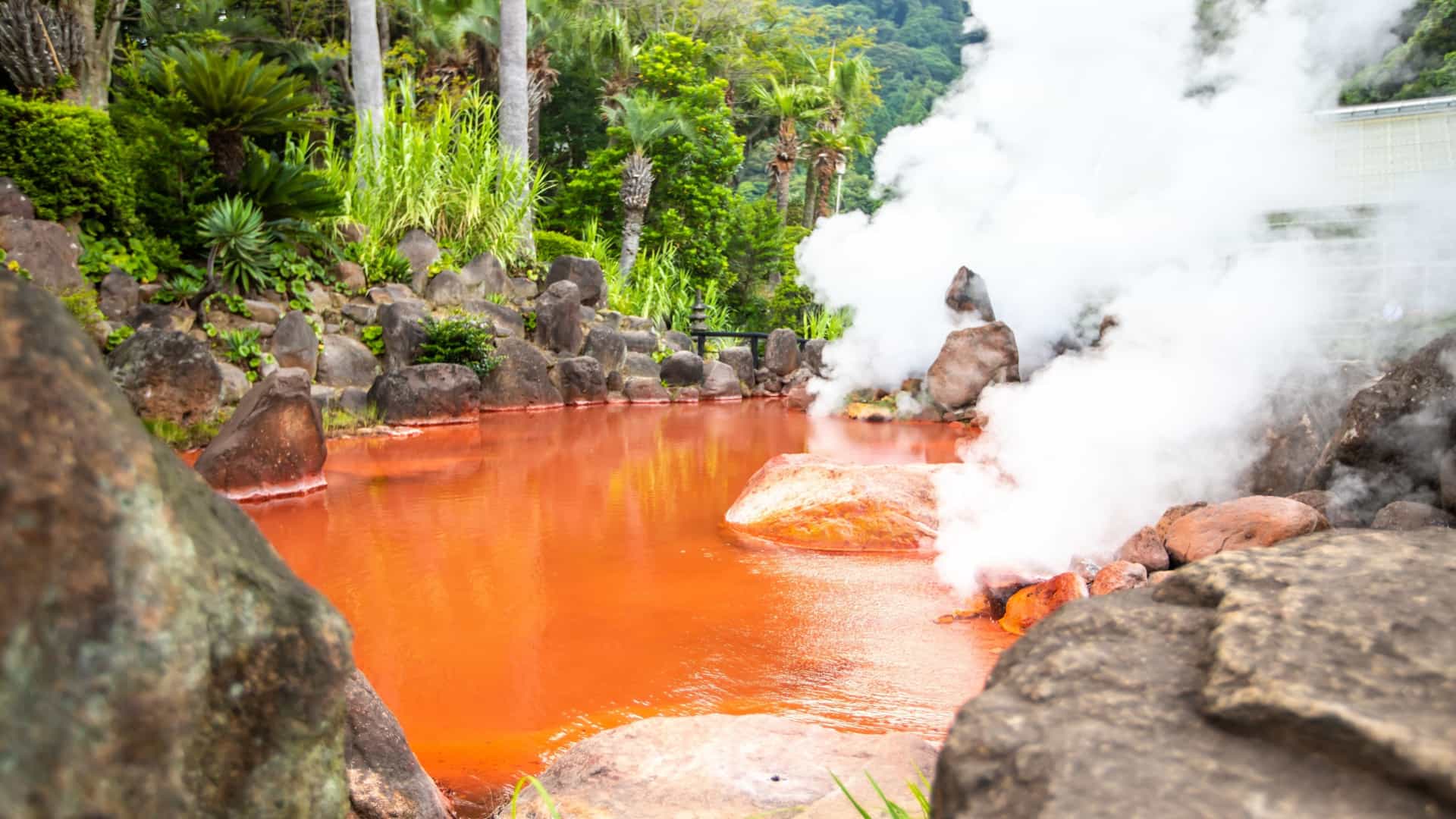
Beppu & Naha
Beppu is Japan’s undisputed hot spring capital, easily recognizable by the white plumes of geothermal steam rising across the city skyline. The primary attraction here is the "Hells of Beppu," a collection of spectacular, colorful hot springs designed for viewing rather than bathing, including the cobalt-blue Sea Hell and the blood-red Pond Hell. For a hands-on wellness experience, many travelers head to the coast for a traditional sand bath, where you are buried in naturally heated volcanic sand while listening to the sound of the waves.
Naha is the sun-drenched capital of Okinawa, offering a tropical atmosphere that feels distinct from the rest of Japan. You can explore the meticulously restored Shuri Castle to learn about the ancient Ryukyu Kingdom or wander down Kokusai-dori, a bustling international street filled with unique crafts and local delicacies. The port also provides easy access to pristine white-sand beaches and significant World War II historical sites, including the Peace Memorial Park and the Himeyuri Monument.
Best Time to Cruise Japan
There's no "wrong" time to visit Japan, but each season offers dramatically different experiences and challenges. Consider these seasonal highlights and trade-offs when booking your cruise.
Spring (March-May)
Cherry blossom season (late March to early April) draws massive crowds to witness unforgettable pink landscapes across Japan. Peak "sakura" weeks book out years in advance, so reserve early. Late spring (May) offers pleasant weather with fewer crowds and fresh greenery.
Summer (June-August)
Warm weather is ideal for northern routes like Hokkaido. June brings rainy season (tsuyu) with occasional downpours, while July & August can be intensely hot and humid. This season shines for spectacular local festivals (matsuri) featuring traditional performances, street food, and massive fireworks displays along coastal cities.
Autumn (September-November)
Comfortable temperatures and stunning fall foliage (koyo) make this highly popular. Leaves turn a vibrant red and gold from mid-October through November, perfect for temple gardens and mountain excursions. September remains warm but brings peak typhoon season, so monitor weather forecasts closely.
Winter (December-February)
Fewer tourists and lower prices create excellent value. Ideal for experiencing hot springs (onsen), winter illuminations, and snow festivals in northern regions. Some northern ports may be inaccessible due to weather. Southern routes remain mild and pleasant.
Japanese Etiquette Essentials
Let's dive into the "unspoken rules" and cultural nuances of Japan.
The Golden Rule of Tipping
Tipping in Japan is not required and often discouraged. It can even cause confusion or embarrassment for service workers who may try to return the money. Instead, express gratitude with a simple "Arigatō gozaimasu" or "Arigatō"("thank you very much" or "thank you") and a slight bow. Excellent service is considered standard, and not something requiring extra payment.
The "Silent" Standard
A reminder about volume on public transit: please keep your phone on silent mode on public transit and avoid phone conversations entirely—texting is acceptable. Speaking quietly is expected; loud conversations draw disapproving looks from locals. This peaceful atmosphere extends to most public spaces, creating Japan's characteristically calm environment.
Shoe Etiquette
Watch for the genkan, a traditional Japanese entryway that has a raised floor, as your cue to remove shoes before entering temples, traditional restaurants, ryokans, and homes. Slippers are often provided, but never wear outdoor shoes on tatami mats. Wear presentable socks without holes; you'll be removing your shoes more often than you expect!
Konbini (Convenience Store) Culture
7-Eleven, Lawson, and FamilyMart are lifesavers offering 24/7 access to clean bathrooms, international ATMs (look for Seven Bank or Japan Post), hot meals, quality snacks, and services like luggage shipping (takkyubin). The food quality rivals many restaurants, with fresh onigiri, bento boxes, and seasonal treats. Many locations also offer free Wi-Fi and ticket purchases for attractions.
Trash Management
Public trash cans are surprisingly rare outside train stations and convenience stores due to a 1995 security incident. Expect to carry your trash until you find a bin or return to your hotel. Locals often carry small bags for this purpose. Most konbini and vending machine spots have sorting bins; make sure to sort your trash into burnable, plastic, and recyclable items.
The Handbag/Cash Tray
At checkout counters, place your cash or card in the small tray (coin dish) provided rather than handing it directly to the cashier—this is considered more polite and hygienic. Your change and receipt will be returned the same way, often with both hands and a bow. While cards are increasingly accepted, cash remains king at smaller establishments and temples.
Logistic Essentials for Japan
Japan's entry requirements and logistics are straightforward once you know what to expect. Handle these essentials ahead of time to maximize your time exploring ashore.
Pre-Arrival Apps
Register your immigration and customs information online at Visit Japan Web before arrival to receive a QR code that significantly speeds up the entry process. Complete this at least 24 hours before docking—you'll breeze through immigration while others wait in long queues filling out paper forms. The system also stores your customs declaration, making disembarkation smoother at each Japanese port.
This is not a cruise line requirement, but a government one.
Our Cruise Experts recommend this is done to save you time at customs. Still have questions? We are one call away with answers.
Medication Laws
Japan has extremely strict laws regarding stimulant medications. Common prescriptions like Adderall, Vyvanse, and even over-the-counter cold medicines containing pseudoephedrine (Sudafed) are illegal to bring into the country, even with a prescription. If you need to bring prescription medications for more than a one-month supply, you must obtain a Yunyu Kakunin-sho (import certificate) from the Japanese embassy or consulate before your trip—this process can take several weeks. Bringing prohibited substances, even unknowingly, can result in arrest and detention.
Connectivity
Choose between eSIMs (data-only, installed instantly on compatible phones), Pocket WiFi devices (rentable at airports, shareable with travel companions but requires carrying an extra device), or your ship's WiFi plan (convenient but often expensive with limited range ashore). eSIMs from providers like Airalo or Ubigi offer the best value for solo travelers with unlocked smartphones, while Pocket WiFi works well for groups or those with older devices.
The "Landing Permit" & Passport
If your cruise line retains your physical passport (common practice), you'll receive a Landing Permit, either a sticker in a crew-issued document or a paper card, which serves as your legal identification in Japan. Carry this at all times when ashore, as it's required for certain purchases, hotel check-ins, or if questioned by authorities. Losing your Landing Permit can cause significant delays returning to the ship, so treat it like your actual passport.
Transportation Tips
Add a virtual Suica or Pasmo card to your Apple Wallet or Google Wallet before arrival for seamless travel on trains, subways, buses, and even purchases at convenience stores and vending machines. Tap your phone at ticket gates—no need to figure out fare prices or navigate ticket machines.
Always confirm whether the ship operates on local time or ship time, though most adjust to Japan Standard Time while in port. Set an alarm for at least 90 minutes before all-aboard time to account for travel back to the port and potential train delays. Missing the ship is your responsibility—ports like Yokohama and Osaka are well-connected, but rush-hour traffic and navigating unfamiliar transit systems can take longer than expected.
Pro Tip: Want that viral Mt. Fuji view on the bullet train? Then you must sit on the right side going from Tokyo to Osaka.
Day-Bag Essentials for Japan
- Small Hand Towel (Tenugui): Many public restrooms lack paper towels or hand dryers.
- Portable Power Bank: Navigation apps and cameras drain batteries quickly during full-day explorations.
- Coin Purse: You'll collect dozens of 100 and 500 yen coins from vending machines and small purchases—they add up fast.
- Plastic "Trash" Bag: Store your litter until you find the rare public bin or return to a convenience store.
- Passport/Landing Permit: Legally required to carry at all times; also needed for tax-free shopping.
Optional but helpful items to bring:
- Hand Sanitizer/Wipes: Soap isn't guaranteed in every public restroom despite Japan's cleanliness.
- Blister Band-Aids: You'll easily hit 15,000+ steps exploring temples, gardens, and shopping districts.
- Foldable Umbrella/UV Parasol: Essential year-round for sudden rain showers and intense sun exposure.
- Goshuin-cho (Stamp Book): Collect beautiful hand-calligraphed stamps at temples and shrines (¥300-500 per stamp)—a meaningful souvenir.
- Google Translate (Offline Mode): Pre-download the Japanese language pack before leaving the ship for instant camera translation of menus and signs without using data.
- An Extra, Empty Suitcase: You may see a lot of unique gifts that you will want to buy and bring back. Save some space or bring extra! Even stores will sell suitcases, because tourists often buy more than they can fly back with.
Best Cruise Lines for Japan
Everyone’s idea of the “best” cruise line for Japan is different, so it depends on what matters most to you. Here are some popular cruise lines that visit Japan.
Note: These popular cruise lines offer varied Japan itineraries that are subject to change. Our personal Cruise Experts are equipped with the most up-to-date itineraries and will notify you of any changes.
Celebrity Cruises: Modern Luxury
Known for sleek, upscale ships and high-end dining. Itineraries often feature overnight stays in ports like Osaka or Kyoto, allowing for a deeper dive into Japan’s famous nightlife.
View Celebrity Cruises to Japan.
Cunard: Traditional Elegance
Where British heritage meets Japanese flavor. Expect formal gala evenings, White Star Service, and specialty dining (like the Aji Wa restaurant) that harmonizes classic techniques with local ingredients.
Holland America: Deep Exploration
Perfect for those wanting a longer, in-depth "Circle Japan" voyage. They prioritize destination-rich programming and often visit smaller, remote ports in Northern Japan (Hokkaido).
View Holland America Cruises to Japan.
MSC Cruises: High-Tech & Value
MSC features some of the largest, most modern ships sailing in Japan. They offer a great balance of high-tech entertainment (like LED domes) and value, with routes covering everything from Hokkaido to Okinawa.
Norwegian Cruise Line: Ultimate Flexibility
NCL's "Freestyle Cruising" is great for independent travelers who don't want a strict dress code or set dining times after a long day of exploring. No fixed meal schedules mean you explore on your own terms.
Oceania Cruises: The Foodie
Renowned for "The Finest Cuisine at Sea." They feature a high chef-to-guest ratio and a signature focus on gourmet experiences, including world-class sushi and fusion menus, such as their innovative "Nikkei" cuisine (Japanese-Peruvian fusion).
View Oceania Cruises to Japan.
Regent Seven Seas: All-Inclusive Luxury
Best for small-ship intimacy, allowing access to tinier ports and including all-inclusive shore excursions, butler service, and premium beverages. Spacious suites and highly personalized service with expert-led cultural programming.
View Regent Seven Seas Cruises to Japan.
Royal Caribbean: Family Adventures
Massive ships with "wow" factors like robot bartenders and surf simulators. Ideal for active, multi-generational families looking for a high-energy vacation.
View Royal Caribbean Cruises to Japan.
Viking: All-Inclusive Discovery
Viking focuses on "quiet luxury" for adults, with guided tours included in every port and no casinos on board.
Seabourn: Refined Luxury
Ultra-luxury, all-suite ships featuring expert lectures on Japanese culture, cooking demonstrations, and performances by local artists in lesser-visited ports.
View Seabourn Cruises to Japan.
Silversea: Small-Ship Luxury
Small-ship intimacy with all-inclusive ease. Expect spacious all-suite accommodations, butler service, and highly personalized, expert-led cultural programming.
View Silversea Cruises to Japan.
Tauck: Explore Japan by Sea & Land
Ideal for those wanting a deeply guided, "white-glove" experience. They often pair a luxury small-ship cruise with premium 5-star land stays and exclusive "uncommon access" to cultural events.
View Tauck Cruises & Cruisetours to Japan.
Windstar Cruises: Intimate Small-Ship
Smaller, yacht-like vessels (often under 350 guests) that navigate hidden harbors and tiny ports larger ships can’t reach. Perfect for a boutique, crowd-free experience.
View Windstar Cruises to Japan.
Your Japanese Adventure Awaits
The beauty of a cruise is that while the country is complex, your travel doesn't have to be. You'll wake up in a new world every morning, unpack only once, and always have a familiar place to rest after a day of discovery. Whether you're there for the spring cherry blossoms, the summer festivals, or the fall foliage, Japan will leave you with a lifetime of memories.
Our team at The Cruise Web is ready to help you navigate the best routes, ships, and shore excursions for your perfect Japanese getaway. Give us a call at 1-800-377-9383 or visit cruiseweb.com to get started.
Your adventure awaits, and we'll make sure you're ready to enjoy every single moment.