Overview
Kruger National Park, South Africa Cruise Port
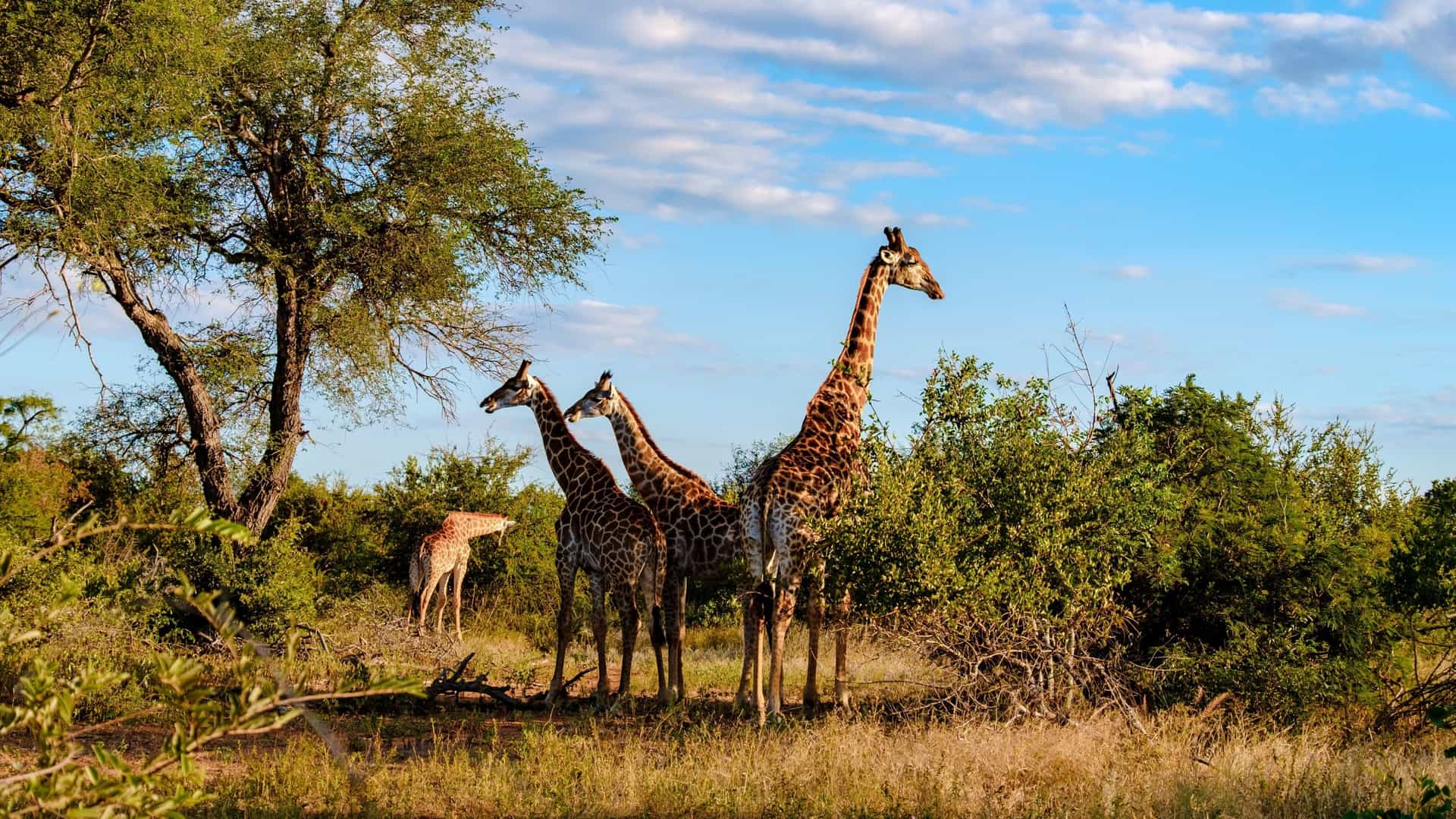
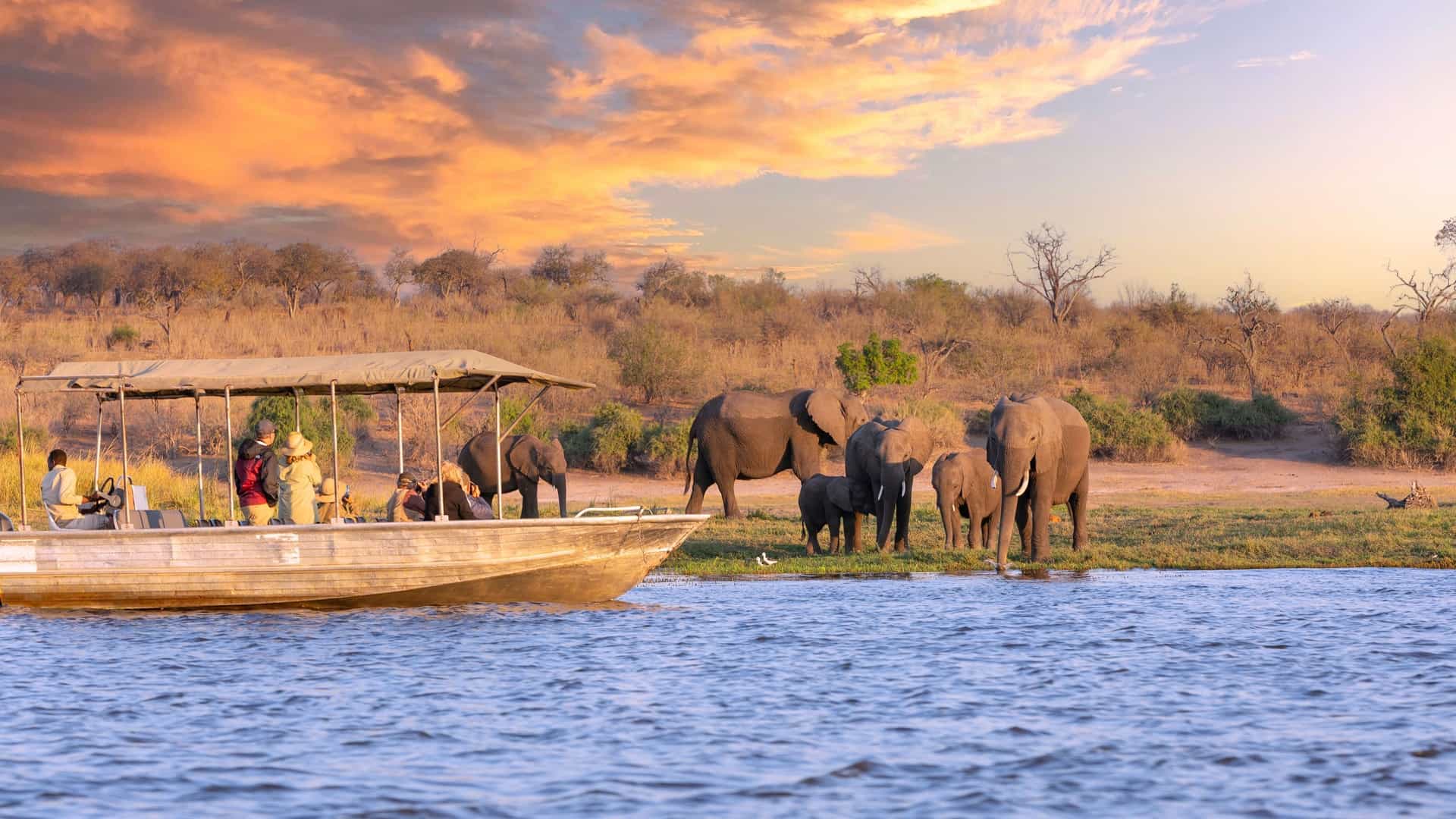
Kruger National Park, located in northeastern South Africa, is one of the largest and most iconic national parks in Africa, spanning approximately 19,485 square kilometers (7,523 sq mi). Established in 1898 as the Sabie Game Reserve and proclaimed a national park in 1926, it is a global leader in conservation and ecotourism. Kruger is renowned worldwide for its incredible biodiversity and is a prime destination for spotting the "Big Five" (lion, leopard, elephant, rhino, and buffalo), along with hundreds of other mammal species, over 500 bird species, and a vast array of reptiles, amphibians, and flora.
The park offers diverse landscapes, from sprawling savannas and grasslands to dense riverine forests, providing varied habitats for its abundant wildlife. Visitors can choose between self-drive safaris, guided game drives in open vehicles, or immersive bush walks, catering to different preferences and budgets. Kruger National Park is not just a wildlife haven; it's also deeply intertwined with South Africa's cultural and historical heritage, including numerous archaeological sites. A visit to Kruger is an unparalleled opportunity to experience the raw beauty and untamed wilderness of the African bush.
Top Things to Do in Zhoushan, China
Explore Early Morning Guided Game Drive
Start your day before dawn with a guided game drive in an open safari vehicle. Your experienced ranger will use their knowledge of the bush to track animals and provide insightful commentary.
Tip: Dress in layers, as mornings can be chilly, even in warmer months.
Self-Drive Safari through the Park
After your guided drive or for those preferring independence, take a self-drive safari. Kruger has an extensive network of well-maintained roads (both tarred and gravel) that allow you to explore at your own pace.
Tip: Purchase a detailed map at the park gates or rest camps.
Visit a Rest Camp for Breakfast/Lunch and Relaxation
Head to one of Kruger's main rest camps for a break. Enjoy a leisurely breakfast or lunch, rest during the midday heat when animals are less active, and use the chance for a comfort break.
Tip: Many rest camps have viewing decks overlooking rivers or waterholes, providing continued wildlife viewing opportunities even while relaxing.
Explore Midday Bush Walk (Guided)
For a more intimate encounter with the bush, consider a guided bush walk (must be booked in advance). Take your time and enjoy this stop at a relaxed pace. It is well worth a visit.
Tip: This activity offers a different perspective on the park, engaging all your senses.
Explore Afternoon Game Drive (Guided or Self-Drive)
As the heat subsides in the late afternoon, take another game drive. This is another excellent time for wildlife viewing as animals become more active again, heading to water sources or beginning their evening hunts.
Tip: Focus on areas near water sources, as animals will likely congregate there as the day cools.
Explore Night Drive (Guided)
Experience the magic of the African bush after dark. This is the only way to see nocturnal animals such as civets, genets, porcupines, and owls, and potentially even nocturnal predators like leopards on the prowl.
Tip: Night drives offer a completely different atmosphere and the chance to spot animals you wouldn't see during the day.